


How Do Retro Lights Compare to Modern LED Lighting Solutions?

The warm amber glow of a vintage bulb or the crisp brightness of an LED – your choice changes your room’s soul. Lighting is more than a practical necessity; it influences how a space feels and functions. Today, many homeowners find themselves choosing between Retro Lights and modern LED solutions. While one offers timeless character and nostalgia, the other delivers efficiency and convenience. The good news is that both have unique strengths, and the right choice depends on what matters most to you.
What Exactly Are Retro Lights?
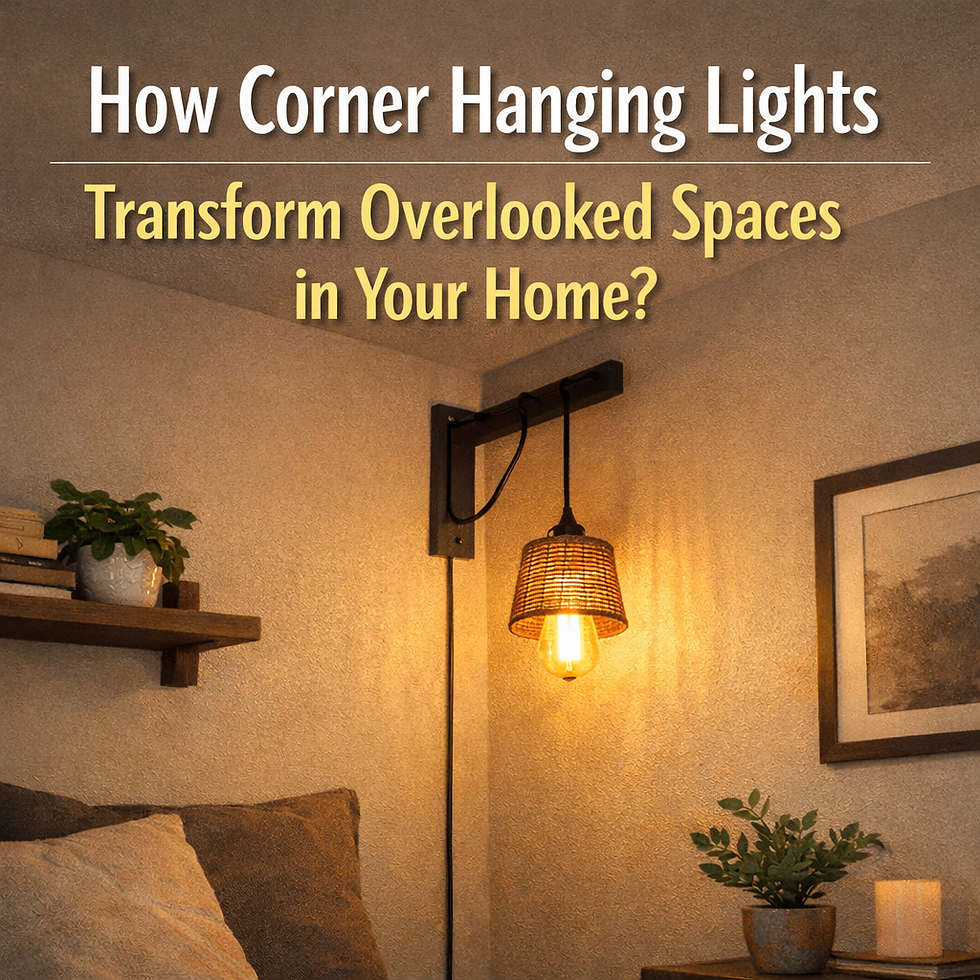
Retro Lights are inspired by classic lighting styles from earlier decades. They often feature Edison-style bulbs with visible filaments, warm amber tones, and decorative fixtures that become part of the room’s design. Many vintage-inspired setups also include an antique wall lamp, pendant lights, or exposed bulb arrangements.
The biggest attraction is their atmosphere. Imagine a cozy reading corner where the filament gently glows, creating a relaxing mood. Most retro bulbs produce a softer and warmer light than standard lighting options.
However, traditional incandescent retro bulbs are less energy-efficient. They usually consume around 40–60 watts and have a lifespan of roughly 1,200 hours. While beautiful, they are not always the most economical choice for everyday use.
Understanding Modern LED Lighting
LED stands for Light Emitting Diode. Unlike traditional bulbs, LEDs convert most of their energy into light rather than heat. This makes them highly efficient and long-lasting.
A typical LED bulb can last more than 25,000 hours while using 80–90% less electricity than an incandescent bulb of similar brightness. LEDs also turn on instantly and remain cool to the touch, making them suitable for daily use throughout the home.
Another advantage is flexibility. You can choose from warm white, neutral white, or daylight tones depending on the mood you want. Many modern LEDs also offer high Color Rendering Index (CRI) ratings, helping colours appear more natural and accurate.
Interestingly, modern technology has created LED filament bulbs that mimic the appearance of vintage filaments. This means you can enjoy a retro look without sacrificing efficiency.
Head-to-Head Comparison – Retro vs LED
When comparing the two, it helps to look beyond appearance and focus on everyday performance.
Feature | Retro Lights | Modern LED |
Ambiance | Warm, dim, nostalgic | Adjustable from warm to cool |
Energy Use | High (40–60W) | Very low (6–10W equivalent) |
Lifespan | Around 1,200 hours | 25,000+ hours |
Heat Emitted | High, often hot to touch | Minimal heat |
Cost (Bulb) | Lower upfront cost | Higher upfront, lower long-term cost |
Best For | Bedrooms, accent lighting, dining spaces | Kitchens, study areas, daily use |
Most decorators agree that retro lighting excels at creating atmosphere. The visible filament and golden glow instantly add personality to a room.
LEDs, on the other hand, are designed for efficiency. A 9W LED can often produce brightness similar to a 60W incandescent bulb. Measured in lumens, both can deliver comparable light output, but LEDs do so with far less energy.
If you are concerned about electricity consumption, lifespan, and maintenance, LEDs clearly have an advantage. If your priority is visual warmth and vintage character, retro lighting remains hard to beat.
Where Does an Antique Wall Lamp Fit In?
An antique wall lamp bridges the gap between style and functionality. These fixtures often feature decorative metalwork, aged finishes, and timeless craftsmanship inspired by historical designs.
Traditionally, homeowners paired such fixtures with incandescent vintage bulbs for maximum authenticity. The result is a warm and nostalgic atmosphere that feels inviting and elegant.
However, there is now a smarter alternative. Installing a warm LED filament bulb inside an antique wall lamp gives you nearly the same visual effect while significantly reducing energy use. The filament remains visible, the warm glow stays intact, and your electricity bill benefits from modern efficiency.
When shopping, check for common bulb bases such as E27 or B22. These standards make it easy to switch between bulb types whenever your preferences change.
For many people, this combination represents the best balance between old-world charm and modern practicality.
Which One Should You Choose? (Practical Advice)
Choose Retro Lights if you love vintage interiors, enjoy mood lighting, and want decorative fixtures to become focal points in your home. They work especially well in dining spaces, bedrooms, and cozy corners where ambiance matters more than brightness.
Choose modern LEDs if you need reliable, bright illumination for reading, cooking, working, or everyday activities. Their long lifespan and low energy consumption make them ideal for frequently used spaces.
If you cannot decide, consider a hybrid solution. Purchase an antique wall lamp or retro-style fixture and pair it with an LED filament bulb. You get the nostalgic appearance you love while benefiting from modern technology.
Conclusion
Retro lights bring emotion, warmth, and timeless design into a space. LEDs deliver efficiency, durability, and lower operating costs. For most homes, the smartest approach is to combine the two.
Look for an antique wall lamp that matches your décor, then pair it with a warm-white LED filament bulb. You will enjoy vintage charm without compromising on brightness, longevity, or energy savings.
Quick FAQ
Can I put an LED bulb in an antique wall lamp?
Yes. As long as the bulb base matches the fixture (such as E27 or B22), an LED bulb will work.
Do retro lights consume more electricity?
Yes. Traditional retro bulbs typically use around five to six times more electricity than an LED producing similar brightness.


Comments